P0009: bank 2's crankshaft and camshaft signals are out of step
On an engine with two cylinder banks, such as a V6 or a V8, the engine control unit tracks the crankshaft (the rotating shaft the pistons turn) and camshaft (the rotating shaft that opens and closes the valves) on each bank and constantly checks that the two agree with each other, called the engine position system. This code means, on bank 2, that check has gone out of the range the computer expects the two signals to agree within. It does not say why the two signals disagree, only that they do.
You might notice
- The engine warning light comes on
- The engine may run roughly, struggle to start, or not start at all
- crankshaft
- — the rotating shaft the pistons turn, which drives the car
- camshaft
- — the rotating shaft that opens and closes the engine's valves
- bank 2
- — the second side of an engine built with two cylinder banks, such as a V6 or V8
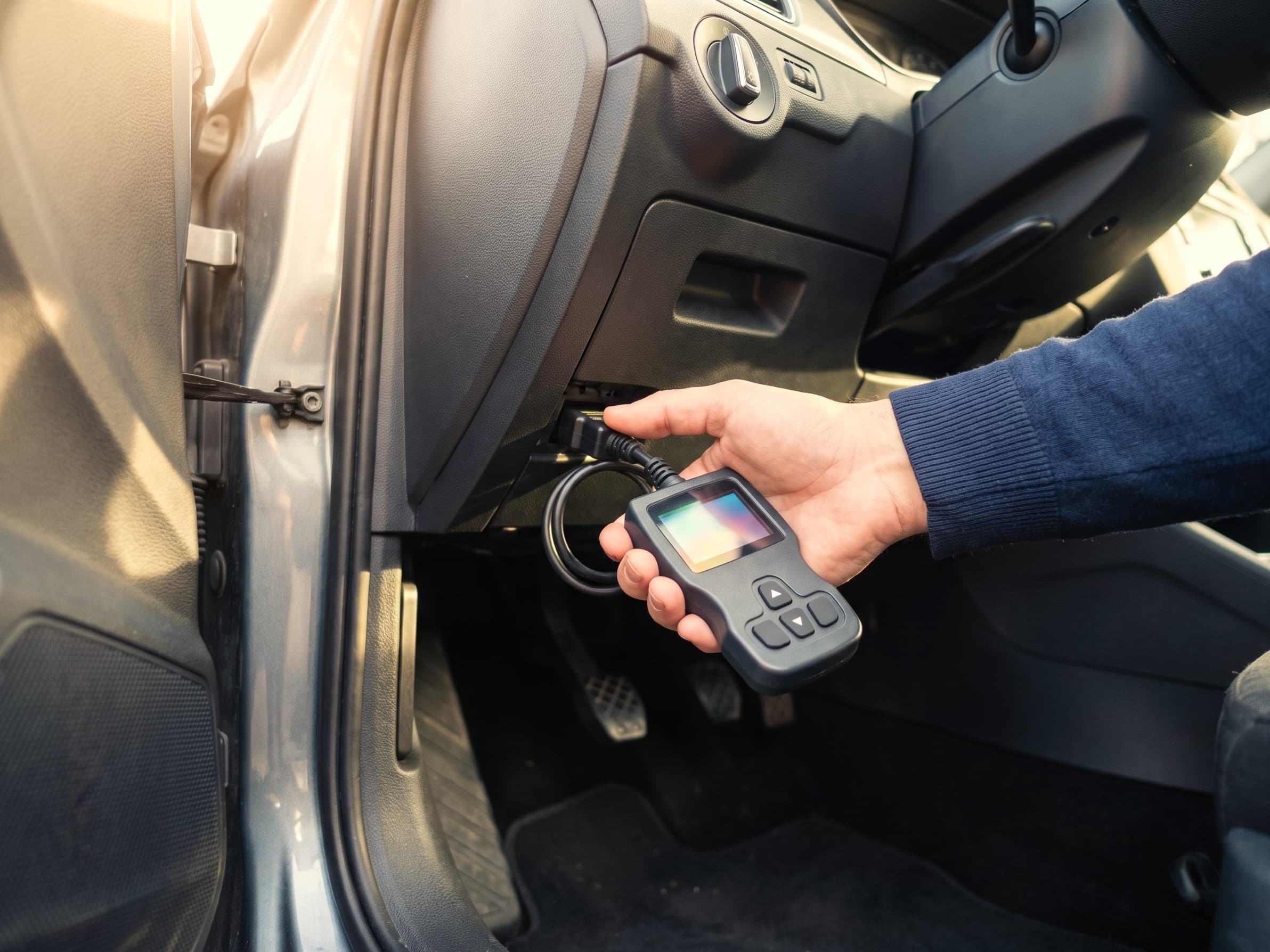
What this code means for driving
Stop driving
The engine's camshaft timing is out of step with the crankshaft. Treat that as mechanical and serious, not a sensor to swap.
Stop driving now — leave it where it is until a garage has checked it. If a red warning light comes on or the car starts to drive differently, that's an emergency: pull over immediately. If your car has an engine, the same goes if a rattle or knocking comes from the engine or the engine loses power or cuts out.
On a car with a combustion engine: Driving on it risks turning a belt job into an engine rebuild.
This is what P0009 means taken alone, and that part won't change no matter what else your scan turns up. What's actually causing it can still depend on the rest of your codes. Read it with your other codes.
What the code itself says
P0009 is a powertrain (engine, gearbox and drive system) code, and the 0 after the letter means it is a generic code with a standard meaning.
Grouped here as: Camshaft and crank timing — Camshaft timing, and whether the crankshaft and camshaft stay in step. That grouping is ours, to help explain the code. The code's official family is the letter at the start.
This page is generic. Your car isn't.
A code on its own only tells you what the sensor saw, not what's actually wrong — and that changes next to your other codes. Read this one together with the rest of your scan and we'll work out what's really going on.
Stop reading. Start diagnosing.
Two minutes, free, and it'll be about your car rather than every car.