P0A80: the hybrid battery pack has failed its own health check
Hybrid and electric cars carry a high-voltage traction battery pack, watched constantly by a battery management system that tracks its capacity, its overall health and how evenly its individual cells are performing. This code means that management system has judged the pack itself has degraded beyond what it can keep working around — not a wiring fault or a single loose connection, but the pack's own condition. It's the strongest statement the system makes about the battery itself, rather than about anything feeding it.
You might notice
- A hybrid system warning light comes on, sometimes alongside the main engine warning light
- The car may limit its own power, or refuse to move on the battery alone
- traction battery pack
- — the high-voltage battery that stores the energy driving a hybrid or electric car's motor
- battery management system
- — the computer that watches the traction battery pack's capacity, health and individual cells
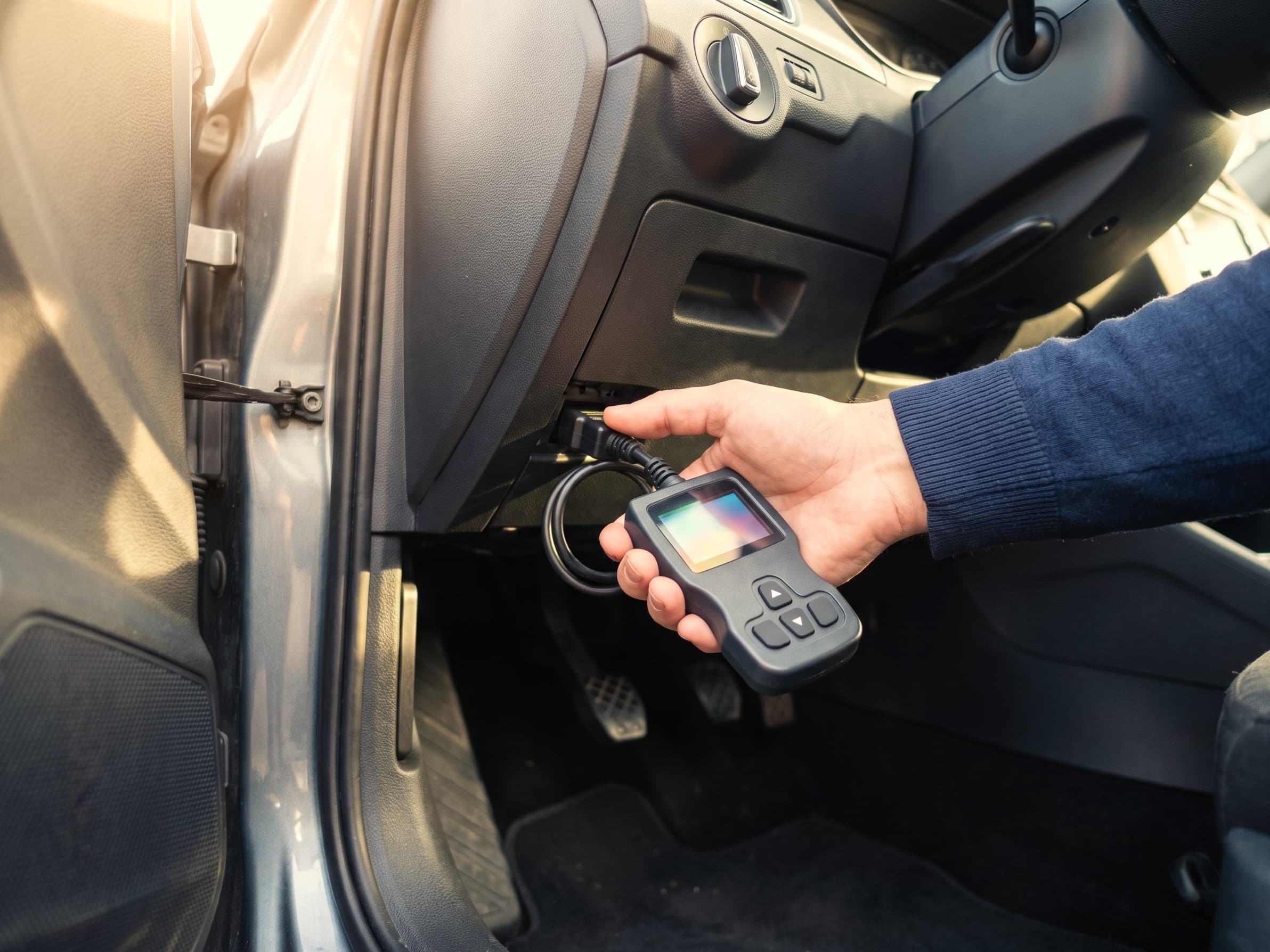
What this code means for driving
Stop driving
The high-voltage system has logged a fault.
Stop driving now — leave it where it is until a garage has checked it. If a high-voltage or hybrid system warning appears or the car loses drive, that's an emergency: pull over immediately.
High-voltage systems are lethal and need qualified equipment. We're keeping this one to a garage because of the danger, not because we're unsure what's wrong.
This is what P0A80 means taken alone, and that part won't change no matter what else your scan turns up. What's actually causing it can still depend on the rest of your codes. Read it with your other codes.
What the code itself says
P0A80 is a powertrain (engine, gearbox and drive system) code, and the 0 after the letter means it is a generic code with a standard meaning.
Grouped here as: Hybrid and electric drive — Hybrid and electric propulsion, including 48V mild hybrid networks. That grouping is ours, to help explain the code. The code's official family is the letter at the start.
This page is generic. Your car isn't.
A code on its own only tells you what the sensor saw, not what's actually wrong — and that changes next to your other codes. Read this one together with the rest of your scan and we'll work out what's really going on.
Stop reading. Start diagnosing.
Two minutes, free, and it'll be about your car rather than every car.